
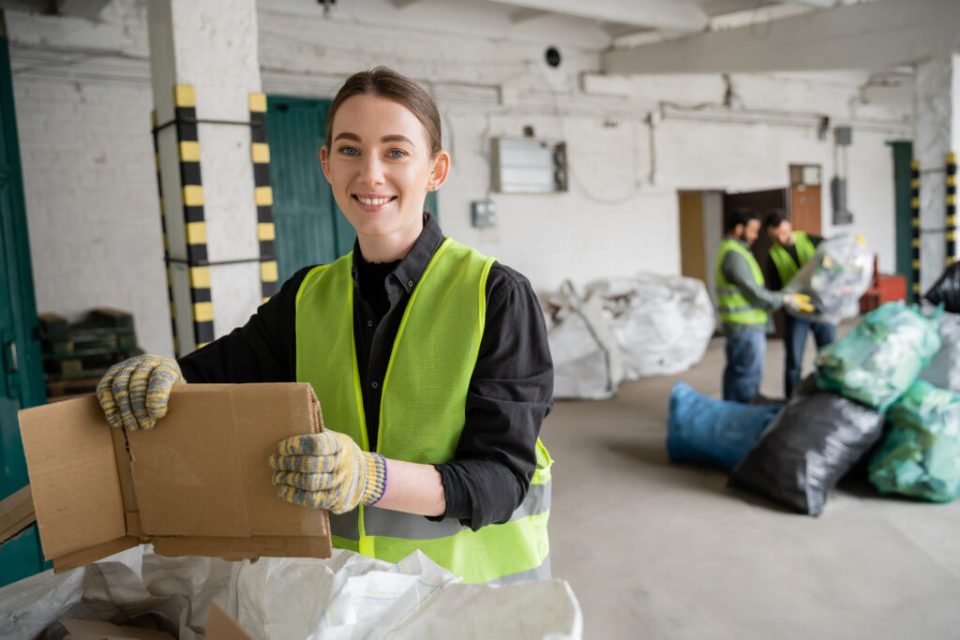
Running an efficient office in Dublin is not without its challenges, particularly when it comes to managing operational waste. Businesses often overlook the hidden value in what they discard, missing opportunities to turn waste into profit while contributing to sustainability efforts. By rethinking waste management strategies and leveraging innovative practices, companies can cut costs, generate additional revenue, and reinforce their commitment to the environment.
1. Perform a Waste Audit
The first step in transforming office waste into profit is to understand what you’re discarding. Conduct a detailed waste audit to categorize items such as paper, plastics, electronics, organic waste, and other materials. This data will help identify trends and reveal areas where improvements are possible. For example, an office with high paper consumption might invest in recycling programs or switch to digital processes to reduce waste.
2. Implement a Recycling Program
Recycling remains one of the most practical ways to monetize waste. Collaborate with local recycling facilities in Dublin, many of which pay for aluminum cans, scrap metals, and paper. By implementing a robust recycling program, you not only offset waste disposal costs but also create a revenue stream from recyclable materials. Encourage employee participation through clear signage and incentives to maximize effectiveness.
3. Compost Organic Waste
If your office generates food waste, consider composting as a viable solution. Organic waste can be turned into nutrient-rich compost that could be sold or donated to local farms and gardens. Alternatively, forming partnerships with composting services or waste-to-energy facilities in the Dublin area helps convert organic waste into usable products or renewable energy, creating a win-win situation.
4. Upgrade to Circular Practices
Moving toward a circular economy mindset can transform how you view office supplies and materials. For example, refurbishing old furniture or electronics instead of disposing of them can extend their lifecycle and reduce costs. Seek suppliers offering buy-back programs for used equipment or participate in donation initiatives, enabling your waste to find value elsewhere.
5. Collaborate with Local Businesses

Joining forces with other Dublin-based companies can open doors to innovative waste-sharing solutions. Excess materials or by-products from your operations might serve as valuable inputs for another business. This type of synergy can create mutual economic value while simultaneously reducing waste and carbon footprints.
6. Leverage Technology
Modern technology offers an array of solutions for waste reduction and profit generation. Tools like AI-powered inventory trackers and waste management apps enable businesses to monitor waste production in real-time, identify inefficiencies, and make data-driven decisions. Dublin businesses can also explore blockchain platforms for tracking the lifecycle of waste materials, ensuring maximum value extraction.
7. Educate Employees
A key factor in reducing operational waste is fostering a culture of sustainability in the workplace. Train employees on the importance of waste segregation, recycling, and sustainable practices. Provide workshops and resources to keep them informed on how small actions can lead to significant long-term benefits—both environmentally and financially.
8. Energy Recovery from Waste
For certain types of waste that cannot be reused or recycled, energy recovery might be an option. Some facilities in Dublin utilize advanced processes like incineration or anaerobic digestion to convert waste materials into electricity or heat. Consider partnering with such facilities to turn non-recyclable office waste into energy, aligning with both financial and environmental goals.
Conclusion
Turning operational waste into profit isn’t just a cost-saving measure; it’s an investment in the future. By examining your waste streams, leveraging local resources in Dublin, and adopting circular and sustainable practices, your office can unlock hidden value while reducing its ecological impact.
Not only will these efforts improve your bottom line, but they’ll also enhance your corporate reputation and position your business as a leader in sustainable innovation. Start small, build momentum, and watch as waste transforms into a wealth of opportunities.
