
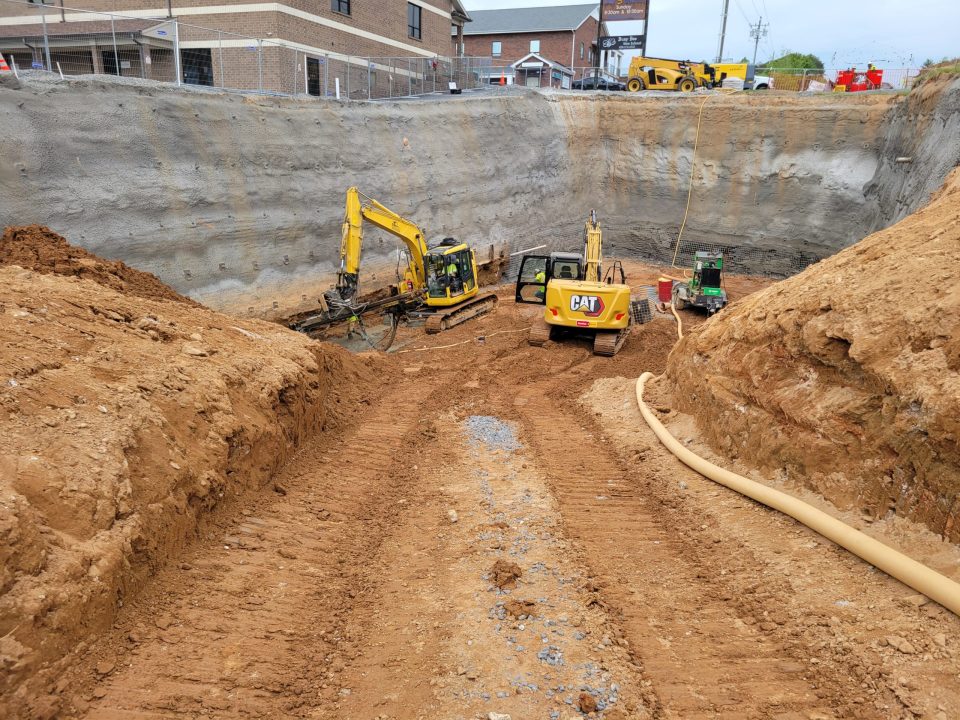
In the world of construction, stability is non-negotiable. One slight miscalculation with temporary shoring systems can threaten not only the project’s schedule, but the safety and future integrity of the entire structure. Mastering temporary shoring is not just about using the right equipment; it is about orchestrating a seamless partnership between engineering know-how, rigorous planning, and vigilant execution.
The Challenge of Maintaining Structural Stability During Construction
Construction sites are dynamic, evolving environments where structural elements are often at their most vulnerable. Removing or altering load-bearing walls, building new stories, or renovating foundations, all of these tasks demand robust temporary shoring. The margin for error is razor thin.
Common Risks Associated with Temporary Shoring Failures
When shoring systems are designed or installed poorly, the impact can be catastrophic. Risks include sudden collapse, injuries, costly delays, and irreversible damage to nearby structures. Vibrations, unexpected weather, or overloading can compromise even a seemingly secure setup.
Impact of Inadequate Shoring on Long-Term Building Integrity
Temporary solutions leave permanent marks. If shoring fails to properly transfer loads during critical stages, hidden weaknesses can develop within columns, slabs, or foundations. These flaws may not surface until years later, manifesting as cracks, uneven settling, or even partial failures that require expensive repairs.
Regulatory and Safety Standards to Consider
Building codes and safety standards exist for a reason. Regulatory bodies require documented shoring plans, routine inspections, and adherence to load specifications. In many regions, non-compliance can stop your project in its tracks and open the company to litigation.
Understanding Temporary Shoring Systems: Types and Applications
A successful shoring strategy relies on matching the system to the project’s needs. There is no one-size-fits-all solution.
Vertical Shoring: Étaiement Vertical Explained
Vertical shoring, or étaiement vertical, holds slabs, beams, or walls in place during construction. From basic post shores to elaborate frame assemblies, these temporary supports must be adjustable, sturdy, and adaptable to changing loads.
Common Materials: Steel, Aluminum, and Wood Components
Modern shoring systems use steel, aluminum, or engineered wood. Steel props offer high capacity and durability, aluminum units balance strength and weight for rapid installation, while wood beams and joists are often chosen for custom fits or cost-sensitive projects.
Specialized Systems: From Waco Frames to Princess Jack and MK100
For heavy-duty or complex projects, modular systems like Waco steel frames, the high-capacity MK100 (up to 300 kN), and Princess Jack (up to 1000 kN) provide tailored solutions. Aluminum beams, strongbacks, and rapid-deployment systems give engineers flexibility and speed without sacrificing safety.
Assessing Load Requirements for Effective Shoring Design
Precision is key. The first step in developing a shoring plan is understanding the exact loads at play.
Calculating Load Capacities for Different Shoring Systems
Engineers analyze the structure’s weight, the live and dead loads, and any incidental forces (such as wind or equipment movement). Each component’s capacity must meet or exceed calculated demands, with safety factors built in.
| Shoring System | Material | Max Load Capacity | Ideal Use |
|———————|————-|——————-|—————————|
| Steel (Waco) | Steel | 80-150 kN | Heavy slab/formwork |
| Aluminum (Aluprop) | Aluminum | 50-90 kN | Midweight, fast assembly |
| Soldier Beams | Steel | 200+ kN | High-rise, long spans |
| Wood Joists | Wood | 20-50 kN | Custom, light temporary |
Selecting the Right Shoring Based on Project Scale and Duration
Short-term residential projects may only require lightweight props, while long-term commercial builds demand more robust systems with high adjustability. Duration and environmental factors (exposure, moisture, temperature) should inform your choice.
Case Examples: Lightweight vs. High-Capacity Shoring Solutions
A small renovation may use aluminum props for speed, while a multi-story structure undergoing major slab pours might need a hybrid approach, steel frames for the main load and aluminum strongbacks for flexibility.
Installation Best Practices to Ensure Stability and Safety
The best design means nothing if it is not installed correctly. Preparation is everything.
Site Preparation and Initial Setup Procedures
A level, compacted base prevents shifting. Laying out shoring in accordance with engineered drawings reduces guesswork and error.
Aligning and Securing Shoring Elements Correctly
Precise alignment ensures loads are distributed as planned. Secure all connections and use anti-slip devices where needed. Regularly inspect bolts, clamps, and braces.
Monitoring and Adjusting Shoring During Construction Phases
Construction conditions shift daily. Ongoing inspection and adjustment keep shoring systems functioning optimally as work progresses and loads change.
Innovations and Advanced Systems in Temporary Shoring
Construction technology has revolutionized temporary shoring, offering greater safety, speed, and adaptability.
Modular and Rapid Deployment Solutions
Systems like ModulR and Skydeck allow for swift assembly and disassembly, minimizing labor hours and downtime. Their modular nature adapts to atypical layouts.
High-Capacity Aluminum and Steel Props
Innovations such as Aluprop and Steeltop combine high load ratings with user-friendly handling. These are game-changers for mid- to large-scale builds.
Integration with Decking and Formwork Technologies
Shoring is now designed to interface seamlessly with decking and formwork systems, improving workflow and reducing the risk of misalignment.
Common Challenges and Troubleshooting in Shoring Systems
No system is without challenges. Spotting trouble early can prevent major setbacks.
Identifying Signs of Shoring Failure Early
Warning signs include shifting, creaking, visible cracking, or misalignment of the shoring or the supported structures. Early detection is vital.
Addressing Shifting Loads and Environmental Factors
Heavy rain, snow, or nearby excavation work can alter load paths. Adjust shoring or add reinforcement as needed to accommodate these variables.
Repair and Reinforcement Techniques Without Major Disruption
Quickly reinforcing an at-risk section, swapping out compromised props, or temporarily increasing monitoring can keep work on schedule without extensive rework.
Transitioning from Temporary Shoring to Permanent Structural Support
Safe and efficient removal of shoring is the final, critical step.
Coordinating Removal with Structural Completion Milestones
Work closely with engineers to confirm that permanent supports are fully cured or installed before beginning shoring removal.
Ensuring Long-Term Stability Post-Shoring
After shoring is removed, closely monitor the structure for settling or cracking, and conduct final inspections to ensure compliance.
Documentation and Compliance for Final Inspections
Keep thorough records of shoring design, adjustments, inspections, and removal for regulatory and legal protection.
Practical Steps for Project Managers and Engineers
Success in shoring starts long before the first beam goes up.
Developing a Comprehensive Shoring Plan
Engage with experienced specialists and use detailed calculations to inform every decision, documenting the plan for approval and reference.
Training and Communication with On-Site Teams
Regularly train teams on installation, monitoring, and emergency procedures. Open communication channels help identify issues early.
Continuous Monitoring and Maintenance Strategies
Implement a schedule for routine checks and prompt responses to any signs of trouble. Utilize modern systems such as étaiement temporaire NadeauSDM as a valuable resource for expert solutions and up-to-date equipment options.
Mastering temporary shoring is an investment in your project’s safety and longevity. With the right knowledge, tools, and vigilance, you can ensure your structures stand the test of time.
